Starting a business is a dream for many, but the high costs often deter aspiring entrepreneurs. Fortunately, the franchise model offers a proven path to business ownership with built-in brand recognition and support.
Even better, low-cost franchise opportunities under $50,000 can make entrepreneurship accessible without draining your savings or taking on overwhelming debt.
In this article, we explore some of the best affordable franchises in the US, highlight key sectors ripe for low-investment franchises, uncover hidden costs, and share strategies to maximize your returns.
In this article:
- Top Sectors for Low-Cost Franchises
- Understanding the True Cost of Low-Cost Franchises
- Financing Options for Low-Investment Franchises
- Evaluating Franchise Support and Training
- Risks and Challenges Unique to Low-Cost Franchises
- Emerging Trends in Low-Cost Franchising
- How to Choose the Right Low-Cost Franchise for You
- How to Maximize Returns With a Low Budget
- Conclusion
✦ Free Franchise Quiz
Stop guessing.
Find your perfect franchise match.
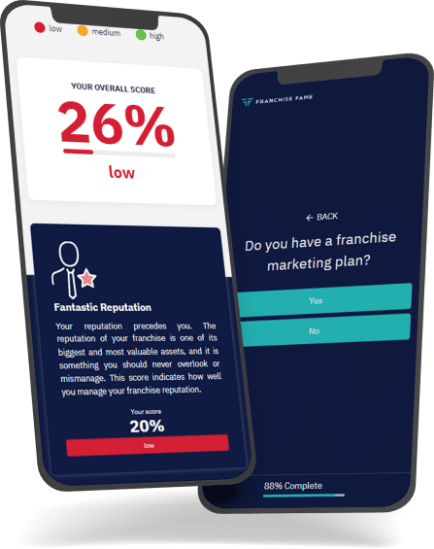
Answer 5 quick questions and get a personalised franchise recommendation — built around your budget, lifestyle, and goals. No sales pitch, just clarity.
Trusted by thousands of aspiring franchise owners across the UK & US
Top Sectors for Low-Cost Franchises
The beauty of low-cost franchises is their diversity. Many industries offer opportunities to start with minimal investment, often with home-based or mobile models that reduce overhead. Here are some of the most promising sectors:
1. Cleaning
Cleaning franchises are perennial favorites for low-cost investment. From residential cleaning to commercial janitorial services, these businesses require relatively low startup costs and have steady demand. Brands often provide training and equipment packages, making it easier to get started.
2. Vending
Vending machine franchises are another accessible option. They typically require purchasing machines and stocking inventory but offer passive income potential. The key is location scouting and regular maintenance. Some vending franchises also specialize in healthy snacks or niche products, appealing to specific markets.
3. Mobile services
Mobile franchises-such as mobile car detailing, pet grooming, or tech repair-eliminate the need for a physical storefront. This flexibility lowers costs and allows you to serve customers directly at their homes or workplaces. Mobile services are growing in popularity, driven by convenience and changing consumer habits.
4. Consulting
If you have expertise in marketing, IT, finance, or business coaching, consulting franchises can be an excellent low-investment option. These typically require little more than your skills, a laptop, and a strong network. Franchisors provide branding, training, and sales support to help you build your client base.
5. Home-based businesses
Home-based franchises span many sectors, including tutoring, fitness coaching, and event planning. They appeal to entrepreneurs seeking flexibility and low overhead. Many home-based franchises offer comprehensive online training and marketing tools to help you succeed from your living room.
Understanding the True Cost of Low-Cost Franchises
While the initial franchise fee is often advertised as under $50k, it’s crucial to understand the true cost of ownership. Beyond the upfront investment, you may face:
- Royalty fees: Ongoing payments based on revenue, typically 4-8%.
- Marketing fees: Contributions to national or regional advertising funds.
- Equipment and inventory: Some franchises require purchasing or leasing equipment or stocking products.
- Training and travel: Costs for initial training or ongoing education.
- Insurance and permits: Necessary legal and operational expenses.
These costs can add up and affect your cash flow, so always request a Franchise Disclosure Document (FDD) and review all fees carefully before committing.
Hidden Costs to Watch For
Many new franchisees focus on the headline price but overlook hidden costs that can impact profitability. Common hidden expenses include:
- Technology fees: Software subscriptions or POS systems required by the franchisor.
- Renewal fees: Charges to renew the franchise agreement after the initial term.
- Territory restrictions: Limited exclusive territories may restrict growth potential.
- Unplanned repairs or maintenance: Especially relevant for vending or mobile franchises.
- Hiring and payroll: If your franchise requires employees, labor costs can be significant.
Being aware of these expenses upfront helps you build a realistic budget and avoid surprises.
Financing Options for Low-Investment Franchises
Even low-cost franchises may require financing for some entrepreneurs. Fortunately, several options exist to help you fund your investment:
- SBA loans: The US Small Business Administration (SBA) offers loans with competitive rates and longer terms. Many franchisors have relationships with SBA-approved lenders.
- Franchisor financing: Some franchise companies provide in-house financing or partnerships with lenders.
- Personal loans or lines of credit: Useful for smaller amounts but typically have higher interest rates.
- Crowdfunding: Platforms like Kickstarter or GoFundMe can help raise capital, especially if you have a compelling business story.
- Home equity loans: If you own property, tapping into equity can be a low-cost borrowing option.
Researching and comparing financing options can make your low-investment franchise dream a reality without overextending your finances.
Evaluating Franchise Support and Training
One of the biggest advantages of franchising is the support system. When choosing a low-cost franchise, evaluate the quality of:
- Initial training: Does the franchisor provide comprehensive onboarding to teach you operations, sales, and marketing?
- Ongoing support: Are there regular updates, refresher courses, or dedicated franchisee support teams?
- Marketing assistance: Does the franchisor help with national or local advertising campaigns?
- Technology and tools: Are you provided with software or apps to streamline your business?
- Community and networking: Access to franchisee groups or conferences can be invaluable.
Strong support can compensate for a smaller initial investment by helping you avoid costly mistakes and accelerate growth.
Risks and Challenges Unique to Low-Cost Franchises
While low-cost franchises offer accessibility, they come with unique challenges:
- Limited brand recognition: Smaller or newer franchises may not have widespread consumer awareness.
- Higher competition: Popular low-cost sectors like cleaning or vending can be saturated.
- Lower margins: Some affordable franchises operate on thin profit margins, requiring volume or upselling to succeed.
- Dependence on owner involvement: Many low-cost franchises are owner-operated, demanding significant time and effort.
- Territorial restrictions: Small investment franchises may have limited exclusive territories, affecting expansion.
Mitigating these risks involves thorough due diligence, understanding your local market, and selecting a franchise aligned with your skills and interests.
How it works
Ready to find your perfect franchise?
Skip the guesswork. Take our free ScoreApp quiz and get a data-driven match tailored to you.
Take the Free QuizEmerging Trends in Low-Cost Franchising
The franchise industry is evolving, and some exciting trends are making low-cost opportunities even more attractive:
- Micro-franchising: Smaller-scale franchises designed for quick start-up and minimal overhead.
- Digital and online franchises: e-commerce, digital marketing, and virtual consulting models reduce physical costs.
- Sustainability-focused franchises: Eco-friendly cleaning or product-based franchises appeal to conscious consumers.
- Mobile and on-demand services: Convenience-driven models like mobile pet grooming or tech repair continue to grow.
- Subscription-based franchises: Recurring revenue models through memberships or subscription boxes.
How to Choose the Right Low-Cost Franchise for You
Selecting the right franchise requires more than just looking at the price tag. Consider these factors:
- Personal interests and skills: Passion and expertise improve your chances of success.
- Market demand: Research local competition and customer needs.
- Lifestyle fit: Some franchises require long hours or travel while others offer flexibility.
- Franchisor reputation: Check reviews, financial health, and legal history.
- Growth potential: Look for franchises with scalable models or multiple revenue streams.
Use this framework to narrow down options and find a franchise that aligns with your goals.
How to Maximize Returns With a Low Budget
Starting with a low investment means maximizing every dollar is critical. Here’s how to boost your returns:
- Leverage franchisor marketing: Participate actively in promotions and use provided materials.
- Focus on customer service: Word-of-mouth and repeat business are vital for growth.
- Control expenses: Track costs carefully and negotiate with suppliers.
- Upsell and cross-sell: Offer additional services or products to increase average transaction value.
- Build a strong local presence: Network in your community and use social media to attract customers.
With smart management, low-cost franchises can generate impressive returns over time.
Conclusion
Low-cost franchise opportunities under $50k open the door to entrepreneurship for many Americans.
By carefully evaluating sectors, understanding all costs, leveraging support, and choosing the right fit, you can build a thriving business without breaking the bank.
Ready to explore affordable franchises and take the first step toward your business ownership dream?
The Franchise Fame franchise directory offers expert guidance, franchise listings, and resources tailored to help you succeed in the exciting world of low-investment franchising.
Which franchise is the right fit for you?
You don’t have to sift through hundreds of listings. Our quick ScoreApp quiz pinpoints the franchises that align with your finances, interests, and ambitions.
- Tailored recommendations based on your budget
- Matches your lifestyle and long-term goals
- Completely free — no obligation whatsoever