Choosing a senior care franchise is a unique investment journey that blends cold, hard business analysis with a real sense of personal mission. While the industry is famous for its stability, not every brand is a perfect match for every owner. Success isn’t just about picking a famous logo; it’s about finding the model that fits your lifestyle, your local market, and your long-term goals.
Here is a practical roadmap to help you navigate the selection process.
In this article:
✦ Free Franchise Quiz
Stop guessing.
Find your perfect franchise match.
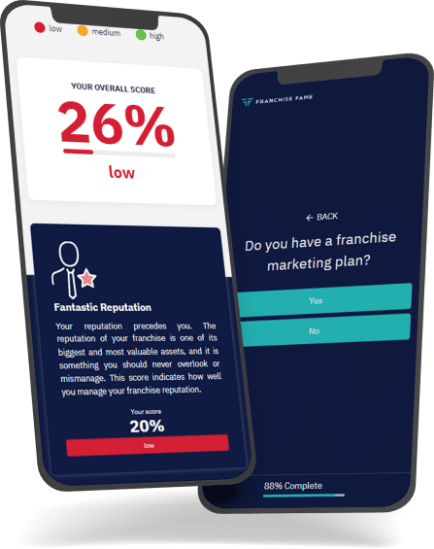
Answer 5 quick questions and get a personalised franchise recommendation — built around your budget, lifestyle, and goals. No sales pitch, just clarity.
Trusted by thousands of aspiring franchise owners across the UK & US
Step 1: Choose Your Service Level Early
The first fork in the road is deciding what kind of “care” you actually want to manage.
- Non-medical home care franchises: These focus on companionship, meal prep, and mobility. Brands like Home Instead or AmeriCARE fall into this category. A non-medical senior care franchise is often the most accessible for those coming from a corporate background because it focuses more on people management than clinical oversight.
- Medical or hybrid models: If you are comfortable with more intense regulation, a medical care franchise or senior health care franchise allows you to offer skilled nursing. This increases your billing rates but requires a deeper dive into healthcare compliance.
Non-medical systems, such as Always Best Care or A Place at Home, are generally more accessible to first-time franchise owners. Medical models like BrightStar require deeper regulatory involvement but may offer broader service lines.
Your background, risk tolerance, and interest in healthcare compliance should guide this choice.
Step 2: Evaluate the Support “Under the Hood”
Managing a home care franchise is operationally heavy. You are juggling caregiver schedules, family expectations, and state regulations all at once. When vetting a brand, look past the marketing and check their systems for:
- Caregiver recruitment and retention (the biggest hurdle in the industry).
- Proprietary scheduling and billing software.
- Lead generation for care services for seniors.
Step 3: Analyze Territory and Local Demographics
A senior living franchise or in-home care franchise is only as good as the zip codes it serves. You need to look for areas with high “aging-in-place” potential.
- The sweet spot: Suburban areas with a high density of families (the “sandwich generation”) usually provide the best growth for elderly care franchise units.
- Growth potential: Ensure your agreement allows you to expand your home care agency franchise into adjacent territories once you hit certain performance milestones.
Demand varies significantly by state and region. States such as Arizona, New Jersey, and Ohio continue to experience population aging combined with suburban growth, creating favorable conditions for senior care franchises.
Step 4: Be Realistic About Startup and “Burn” Costs
The initial franchise fee is just the beginning. Whether you are opening a retirement home franchise or a mobile-based senior helper franchise, you need a “runway” of working capital.
- Payroll: You’ll likely pay caregivers before your first insurance or private-pay checks clear.
- Licensing: Every state has different hoops for retirement age support services.
- Marketing: Building trust in retirement living circles takes time and consistent local outreach.
Pro Tip: Always scrutinize Item 19 of the Franchise Disclosure Document (FDD). Remember: the FDD is more than a compliance document; it is a roadmap to how the franchise operates financially and operationally. It’s your best window into the actual financial performance of existing owners in that elder care franchise network.
Step 5: Match the Model to Local Infrastructure
Before committing, look at your local “referral ecosystem.” Are there large hospitals nearby? High-end assisted living facilities? Well-established nursing home franchise locations? A successful senior citizen support services business thrives on referrals from discharge planners and social workers. If your local area is already saturated with competitors, you’ll need to ensure the franchise you pick has a unique value proposition.
Step 6: Plan for Scalability from Day One
The most successful owners in this space don’t stay “owner-operators” forever. They build a team that allows them to scale.
- Phase 1: Focus on caregiver quality and local trust.
- Phase 2: Hire a dedicated care coordinator.
- Phase 3: Expand your non-medical home care franchise into multi-unit operations.
The Bottom Line
In a 2026 economy driven by demographics rather than fleeting trends, an investment in the elderly in-home service industry is an investment in a permanent necessity. It’s not a “get rich quick” scheme, but for the investor willing to manage people and build community relationships, it offers a level of long-term relevance that few other industries can match.