It is no secret that the “Silver Tsunami” is the defining demographic shift of our decade. As we move through 2026, the demand for care services for seniors has shifted from a future prediction to a daily reality for millions of families. For an entrepreneur, this represents a unique intersection of high-growth potential and deep personal impact.
Here is a look at the landscape of the senior care franchise market, broken down by what you actually need to know about costs, operations, and long-term sustainability.
In this article:
✦ Free Franchise Quiz
Stop guessing.
Find your perfect franchise match.
Answer 5 quick questions and get a personalised franchise recommendation — built around your budget, lifestyle, and goals. No sales pitch, just clarity.
Trusted by thousands of aspiring franchise owners across the UK & US
Why the Demand for Senior Care Is Recession-Resistant
Families are currently facing a “sandwich generation” crisis, which means balancing their own careers and children with the needs of aging parents. This has created a massive market for retirement-age support services. Because seniors overwhelmingly prefer to “age in place” rather than move to a facility, the in-home care franchise model has become the go-to solution for maintaining dignity and independence.
Unlike discretionary spending, senior citizen support services such as elderly care franchises are rarely cut from a family budget. Whether the economy is booming or cooling, the need for high-quality care remains constant, making this one of the most stable service-based investments available today.
Choosing Your Model: Medical vs. Non-Medical
Not all senior care businesses are built the same. Your background and capital will largely dictate which path you choose:
The non-medical home care model
A non-medical senior care franchise focuses on “Activities of Daily Living” (ADLs). This includes companionship, meal prep, and light housekeeping.
- Why it’s popular: These non-medical home care franchises typically don’t require the owner to have a medical license, making it accessible for professional managers and career-switchers.
- The Focus: Success here is all about “human capital” or hiring the right people and building trust within the community.
Brands like Home Instead, Amada Senior Care, and AmeriCARE have built national footprints around this approach.
Medical and skilled nursing models
If you are looking to provide clinical support, a medical care franchise or a senior health care franchise may be the right fit. These models involve:
- Registered Nurses (RNs) and Licensed Practical Nurses (LPNs).
- Higher billing rates but stricter state-level regulations.
- A “hybrid” approach that often bridges the gap between home care and a nursing home franchise.
Franchises that expand beyond non-medical care into skilled nursing or clinical services include Bright Star, which is a well-known example of a hybrid model.
Residential and living facilities
For those with more significant capital, a senior living franchise or assisted living model involves physical real estate. These are often structured as a retirement home franchise, providing a community environment rather than one-on-one home visits.
Financial Reality: Startup Costs and ROI
Investing in a home care franchise is generally considered a mid-range investment. Because you don’t necessarily need a high-end storefront or expensive heavy machinery, your capital goes toward people and systems.
- Franchise fee: $40,000 – $60,000
- Total initial investment: $60,000 – $150,000
- Ongoing royalties: 5% – 7% of gross sales
- Working capital: 3 – 6 months of operating costs
A home care agency franchise generates profit through recurring revenue. Unlike a retail shop waiting for foot traffic, your “customers” are clients who stay on the roster for months or even years. This creates the predictable cash flow that makes an elder care franchise so attractive for multi-unit ownership.
Read also:
The Operations: Managing the “Human” Element
The biggest hurdle in an elderly care franchise isn’t finding clients. It’s finding and keeping great caregivers. This is where the value of a franchisor shines. A top-tier senior helper franchise system will provide you with:
- Proprietary recruiting and vetting software.
- Comprehensive training modules for staff.
- Marketing blueprints to connect with hospitals and retirement living planners.
Multi-unit ownership is common among experienced operators, particularly in large or fast-growing states such as Texas, Florida, Georgia, North and South Carolina.
Is This the Right Move for You?
Operating a business in the senior health care franchise space is a “high-touch” endeavor. It requires empathy, local networking, and strong people-management skills. While it is not a passive investment, the combination of a high-demand market and the ability to help families navigate the complexities of aging makes it one of the most rewarding sectors in 2026.
Before signing, always review the Franchise Disclosure Document (FDD) to understand the territory protections and financial performance of existing owners.
Which franchise is the right fit for you?
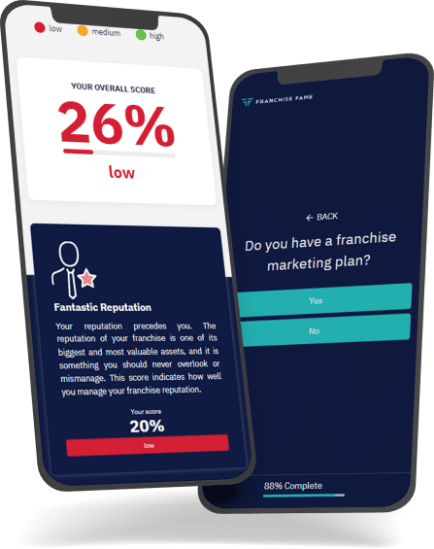
You don’t have to sift through hundreds of listings. Our quick ScoreApp quiz pinpoints the franchises that align with your finances, interests, and ambitions.
- Tailored recommendations based on your budget
- Matches your lifestyle and long-term goals
- Completely free — no obligation whatsoever